“This page is dedicated to throwing spikes — not the decorative star-shaped shuriken commonly seen in movies.”
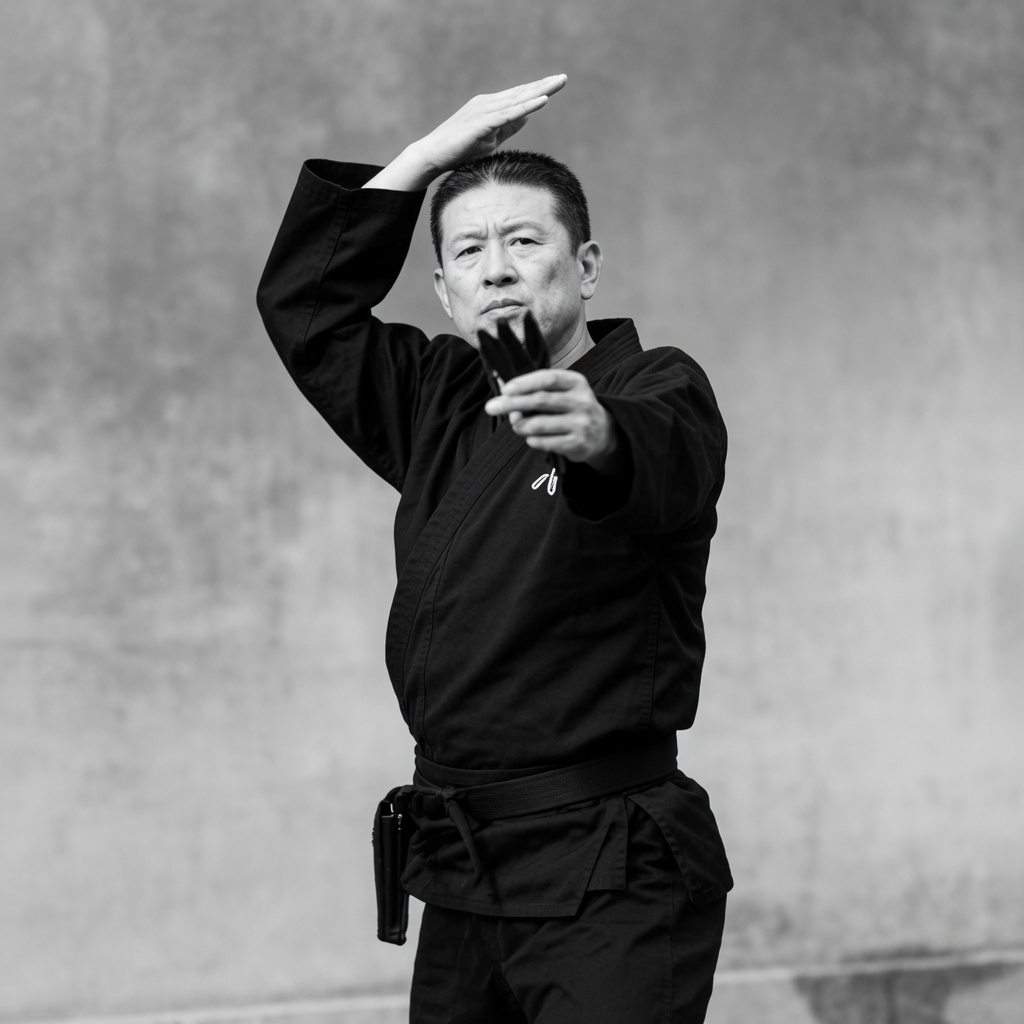
手裏剣 Shurikenjutsu is a traditional Japanese martial art centered on the use of small, concealed blades. Far more than the simple act of throwing seen in popular media, it is a sophisticated discipline with deep historical roots and profound spiritual meaning.
The art encompasses the origins and evolution of shuriken, the distinctive characteristics of its various schools, fundamental stances and throwing techniques, and its unique philosophical approach.
Shuriken is not merely a projectile weapon — it represents a distinctly Japanese way of thinking and living. As one of the most specialized and endangered traditional martial arts, its practice preserves both technical mastery and the deeper warrior spirit for future generations.
When we truly understand Shuriken¹, we understand that we are not throwing — we are striking.
With Shuriken², we no longer send a mere object through the air. Instead, we extend the strike itself.
And then, as we strike with Shuriken³, we learn to hide our intention from others.– ¹ 手裏剣 (Hand-hidden-sword) ² 修 理 剣 (Cultivated-principle-sword) ³ 守 裏 剣 (Protect-hidden-sword)
The Origins of Shuriken
Shurikenjutsu has deep roots in humanity’s ancient throwing instincts. From the Stone Age, stones served as the first projectiles for hunting and combat. Over time, these evolved into slings (onda), thrown spears, darts, and striking roots (uchine).
In Japan, early records mention stones thrown with slings and references to thrown arrows in texts like the Manyoshu. During the Sengoku and early Edo periods, warriors began refining small blades for practical use. Improvised throwing of short swords, daggers, and needles gradually became systematized.
The true development of dedicated shuriken occurred in the Edo period (around Meiwa and An’ei eras, 1764–1781), notably through masters like Ueno Izu no Kami Hirohisa of Sendai. Various schools emerged — including Negishi-ryu, Shirai-ryu, and those connected to Iga and Koga ninja traditions — each creating unique blade shapes and throwing methods.
The Prisoner and the Peas
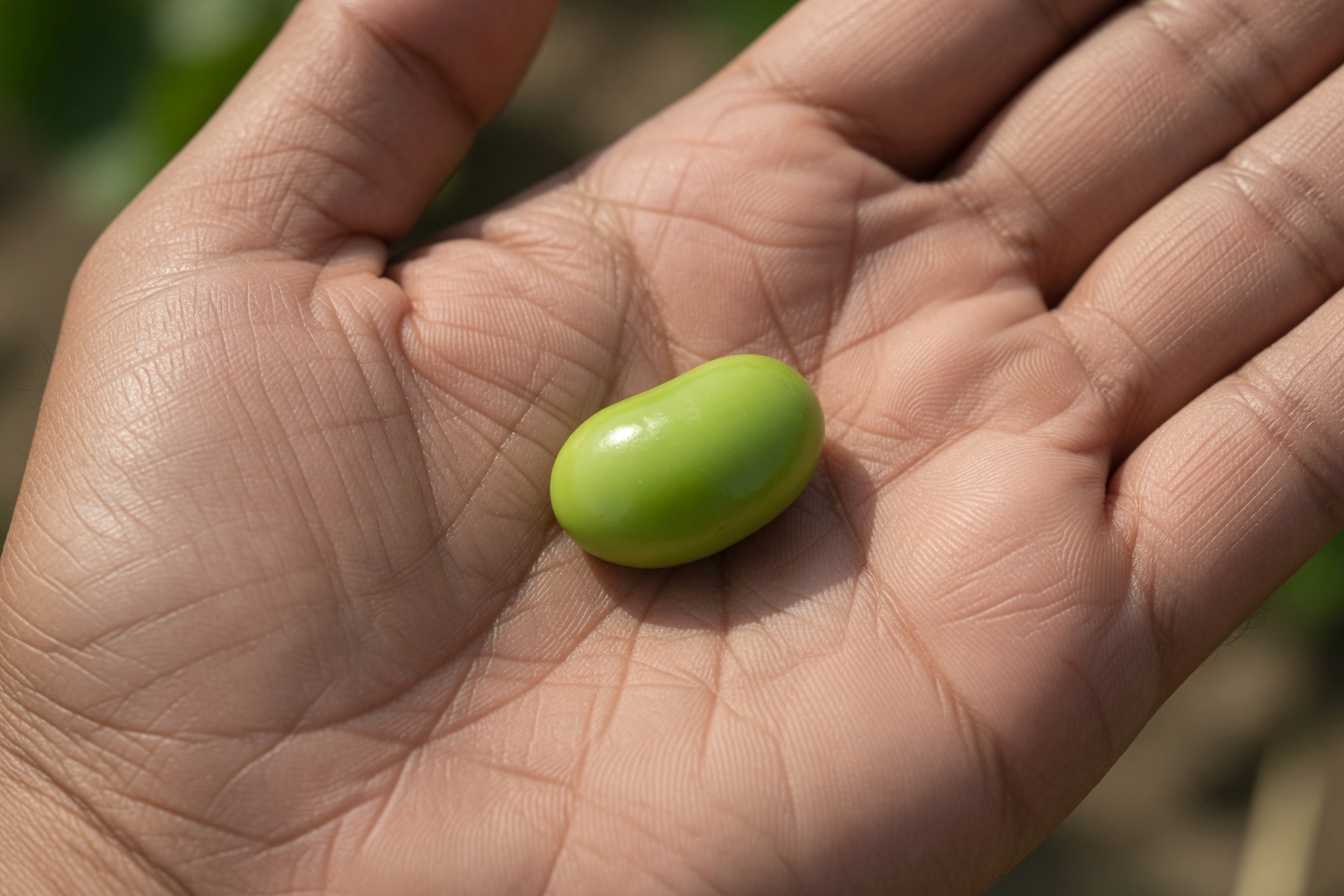
There is a well-known story of a man imprisoned for many years. With little to occupy his time, he began idly flicking peas (豆 – mame) with his finger against the wall of his cell. What started as simple boredom soon became an obsession. Day after day, he practiced with total concentration — aiming at smaller targets, increasing his power and precision.
Over time, his seemingly meaningless activity transformed into a genuine mastery of focus, intention, and control. The humble pea became his training partner, teaching him the same principles that lie at the heart of true Shurikenjutsu: the unity of mind, body, and action.
– Hakujō Ikken – The World of Shuriken
Even the smallest, most ordinary gesture — when repeated with complete dedication — can become a path to profound skill.
Striking with the Shuriken
When we truly understand Shuriken, we understand that we are not throwing (投げ – nage) — we are striking (打つ – utsu). With Shuriken, we no longer send a mere object through the air. Instead, we extend the strike itself. And then, as we strike with Shuriken, we learn to hide our intention from others.
This idea of striking with pure intention resonates deeply with a lesson I learned during my year studying acupuncture. My teacher once told us that if you concentrate fully and hold a strong, clear intention (気 – ki), you could imagine holding the needle and “stab” through the skin with your mind alone — and it would work just as effectively as a real needle. A kind of “reverse placebo,” where focused spirit produces a genuine physical response.
In the same way, advanced Shuriken training moves beyond the physical blade. The true master learns to send the blade’s spirit forward, extending intention like an invisible sword. This is the bridge to Tō-ate (遠当て — distant strike) and Kanashibari (金縛り — binding/freeze), where the practitioner affects the opponent without physical contact.
Shuriken becomes not just a weapon in the hand, but a training ground for the ultimate weapon: pure, cultivated intention.
It is said that at the advanced level, the throw is accompanied by a “will” or “intention” that flies together with the blade.
木崎克彦 Kizaki Katsuhiko
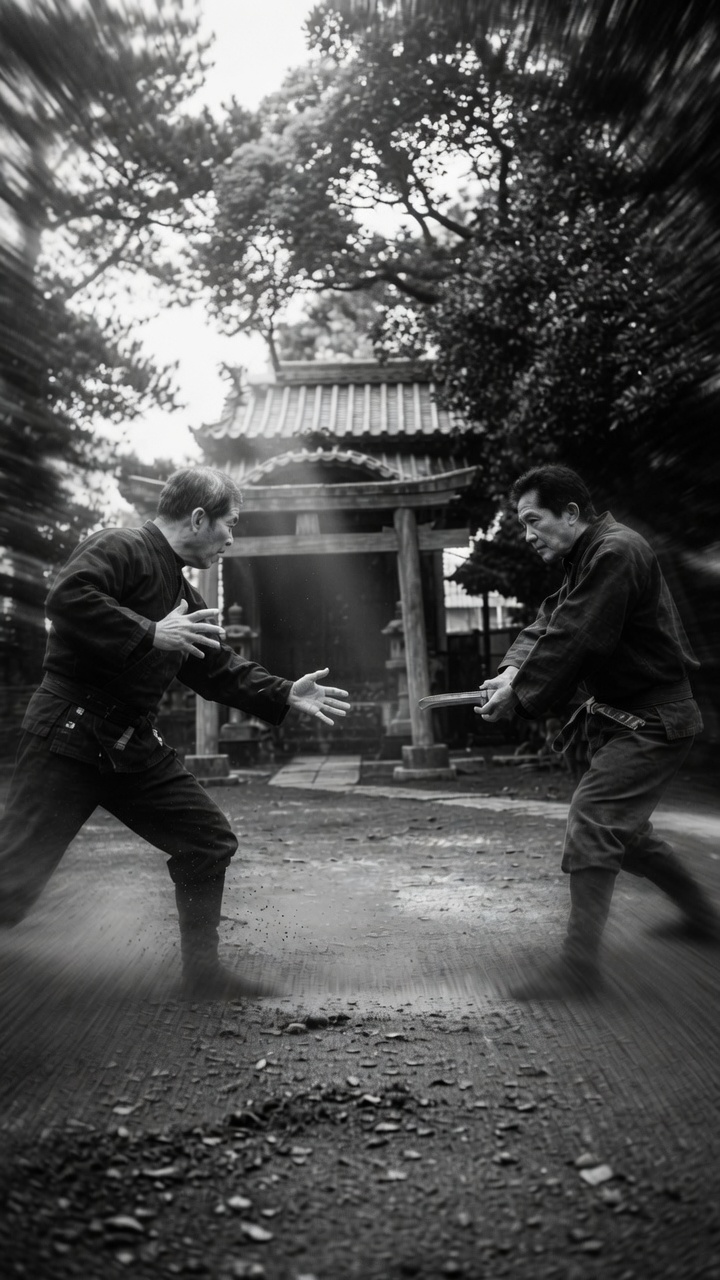
My experience of Tō-ate Fudō Kanashibari no Jutsu
I was called up to do the next technique, and Soke told me “Stab at me with all your might from the Kamae you were just in”. For an instant I thought “Perhaps I’ll be made to fly through the air with the momentum of my thrust”, and internally I pictured how I would take the following Ukemi.
I was around 30 then, my body moved quite adequately and I was full of energy, so I thought there should be no problem with an Ukemi or two. I held the Tanto firmly at my right hip, lowered my hips well and took up position on the left with my body half on; then stabbed with full power.
The second my left foot moved an inch … did Soke’s body sink a few centimetres? A Kiai like a fierce fire emanated from a Kamae like Fudo Myoo and echoed throughout the Dojo, and it was as though an enormous mountain echoed in resonance.
At the same time, I felt a shock at the Toki spot on my right foot just as though something sharp and heavy like a Bo Shuriken had been stuck through it, and my body refused to move, as if bound with iron Kanashibari.
Then I felt the blood draining from my head. “Are you OK? That was Toate no Jutsu. I just applied it to your foot, but if I had done it to your eyes you’d probably be blind”, Soke told me. This was not what I had expected at all.
I had experienced such a shock that for a while I was unable to speak. I had experienced sorcery (Genjutsu) (= reality Genjitsu), but not of the kind in novels or films.
–Someya “Ninryu” Ken’ichi (Sanmyaku #9)
“Through repeated throwing practice, one eventually becomes able to predict, at the very instant the blade leaves the hand, exactly where and in what condition it will strike — or whether it will miss — three ken away.”
鶴田先生 Tsuruta Sensei
Shuriken practice at Kaigozan Dojo 2020
手裏剣術の基礎 Shurikenjutsu no Kiso
(Fundamentals of Shurikenjutsu). I’m not sure if there is anything written down Kata for the techniques of Shuriken in any of the nine Bujinkan schools, I believe it has always been Kūden, taught orally. The names below is mainly from the two books 手裏剣の世界 The World of Shuriken by 白上一空軒著 Hakujō Ikken and 和伝流手裏剣道秘伝 Waden-ryū Shuriken-dō Secret Teachings by 木崎克彦 Kizaki Katsuhiko.
First let’s describe the flight pattern of the Shuriken, there is only two ways to throw the Shuriken. Straight or Rotating…
直打法 CHOKU-DAHŌ (Straight path)
手裏剣の持ち方(直打法)Shuriken no Mochikata (Choku-dahō) How to Hold the Shuriken (Straight Throw Method).
回転打法 KAITEN-DAHŌ (Rotating path)
The rotating throw is better suited for longer distances than the straight throw.
順打 JUN-UCHI
This is the most basic way of throwing. Left foot is leading and you throw with the right hand from Doko no Kamae.
打剣の実際(直打)DAKEN NO JISSAI (CHOKUDA)
Practical Application of Sword Throwing (Straight Throw)
Minimal, efficient movement. Even without appearing to throw with great force, the blade’s flight is invisible. If aimed at you, it would be impossible to dodge.
卍巴の型 MANJI TOMOE NO KATA
左右逆も同様に行なう Sayū Gyaku mo Dōyō ni Okonau (Perform the left and right reverse versions in the same way)
逆打 GYAKU-UCHI
You throw the Shuriken like we do Ura-shutō-ken.
下打 SHITA-UCHI
You thrown from under like a Sanshin-tsuki.
逆袈裟打 GYAKU-KESA-UCHI
You throw from under up diagonally like you do a Gyaku-kesa-giri.
座打 ZA-UCHI
Throwing from a seated position.
寝打 NE-UCHI
Throwing from a lying position.
空打 KŪ-UCHI
Empty strike. You fake throwing, to create an opening.
おとり打 OTORI-UCHI
Baiting strike. I offer an opening to make him open up before I attack.
多本打 TAHON-UCHI
This means to throw several Shurikens from the same hand at the same time.
順逆の打剣 JUN-GYAKU NO DAKEN
Step forward with the right foot and throw with the right hand. Or step backwards with the left foot and throw with the right hand (same side stepping).
前進打 ZANSHIN-UCHI
Throw naturally with each step you are taking.
後退打 KŌTAI-UCHI
Retreat to safe distance and throw from there.
歩行打 HOKŌ-UCHI
Throw from under multiple times as you walk forward from both hands.
左右打 SAYU-UCHI
Moving sideways and throw from both hands. For example, kleft Gyaku-uchi then shift 180° to the right and throw a right Jun-uchi.
回天打 KAITEN-UCHI
From Shizen, step forward to the right with the left foot and point to the right with the left hand showing your back to the opponent as you prepare your right hand with the Shuriken. Then you continue turning around and move the right foot forward and throw a right Gyaku-uchi against the opponent. Rotating the body 360° confusing the opponent.
図説手裏剣術 TOSETSU SHURIKENJUTSU
List of schools using Shuriken by Fujita Seiko
| School Name | Founder |
| Asayama Ittō-ryū | Asayama Ittōsai Shigetsugu |
| Tenjin-ryū | Tenjin Kogenta |
| Araki-ryū | Araki Muneninsai Genshūtsuna |
| Iga-ryū | — |
| Izumo-ryū | Kamitōno Izumo Hirohide |
| Ikkan-ryū | Shibuki Shintarō |
| Enmei-ryū | Miyamoto Musashi Masanori |
| Onkochishin-ryū | Kawasumi Heigorō Masamitsu |
| Kasuga-ryū | — |
| Kamitōno-ryū | Kamitōno Izumo Hirohide |
| Katori Shintō-ryū | Iizasa Chōisai Ienao |
| Ganryū (Ganritsu-ryū) | Matsubayashi Samanosuke Nagayoshi |
| Kusaka-ryū | Kusaka Ippo |
| Kōga-ryū | — |
| Ko-den-ryū | Fujiwara Kamatari |
| Kobori-ryū | Kobori Kageyu Nyūdō Seihira Yoshiyuki |
| Shishin-ryū | Masugi Saburōzaemon Mitsusada |
| Jitsuyō-ryū | Hirayama Kōzō |
| Jitoku-ryū | Iwasa Yagozaemon Kiyozane |
| Shōshō-ryū | Tsuchikawa Jinwaemon Toshichika |
| Shōsetsu-ryū | Yui Minbu no Suke Tachibana Masayuki |
| Shirai-ryū (Tenshin-den Ittō-ryū) | Shirai Tō Yoshikane |
| Shin’yō-ryū | Hikita Toyogorō Kagekane |
| Shingetsu-ryū | Fujiwara Naritada |
| Shinshin-ryū | Sekiguchi Hachirōzaemon Ujihito |
| Shintō Seibu-ryū | Ogasawara Jōnosuke Nagamasa |
| Seishin-ryū | Mori Kasanosuke Katsushige |
| Sekiguchi-ryū | Sekiguchi Hachirōzaemon Ujihito |
| Daitō-ryū | Takeda Sōkaku |
| Takenouchi Isshin-ryū | Shinohara Jūzaemon Isshinsai |
| Takemura-ryū | Takemura Yozaemon Genri |
| Risshin-ryū | Tachibana Sankyō |
| Chishin-ryū | Iijima Ichibei |
| Tsugawa-ryū | Kyūe Jūzaemon |
| Ten-ryū | Niwa Orie Ujihari |
| Niwaori | Negishi Chūzō Nobumitsu Matsuō |
| Negishi-ryū | Tsutsumi Yamashiro no Kami Hōzan |
| Hōzan-ryū | — |
| Heishū-ryū | Nakano Banzuii Kagetada |
| Matsu-ryū | Miura Yōshin |
| Miura-ryū | — |
| Shodō-ryū | — |
| Yoshio-ryū | — |
| Mōen-ryū | — |
| Negoro-ryū | — |
| Bugoku-ryū | — |
| Yamauchi-ryū | — |
| Yūwa-ryū | — |
Among these schools, some specialized exclusively in shuriken, while others included shuriken training as one part of their swordsmanship curriculum and used the same school name. There are also many schools whose names remain but whose actual techniques are no longer known.
掌創術 SHŌKEN-JUTSU
(Palm Sword Techniques) . You probably heard that it would not always be a good idea to throw away your Shurikens. Instead you keep them in your hands and use them as weapons in your Taijutsu/Mutodori techniques. There is two ways of holding them…
- 順手 JUNTE (The tip on the thumb side)
- 逆手 GYAKUTE (The tip on the little finger side)
When the Shuriken have both ends sharp you need to hold it accordingly.
SENBAN SHURIKEN
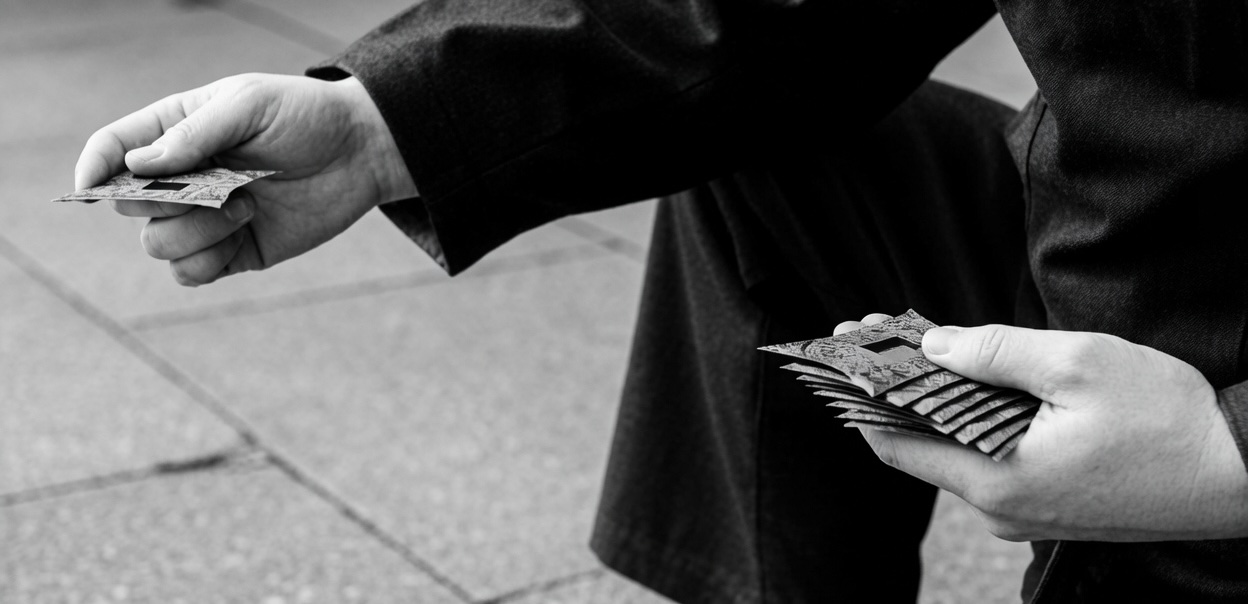
It is said that practitioners should carry nine Senban Shuriken in their pocket and rapidly fire them at the enemy with a sharp flick of the wrist.
When you throw them you should make them spin fast, cut the enemy and then bounce off…