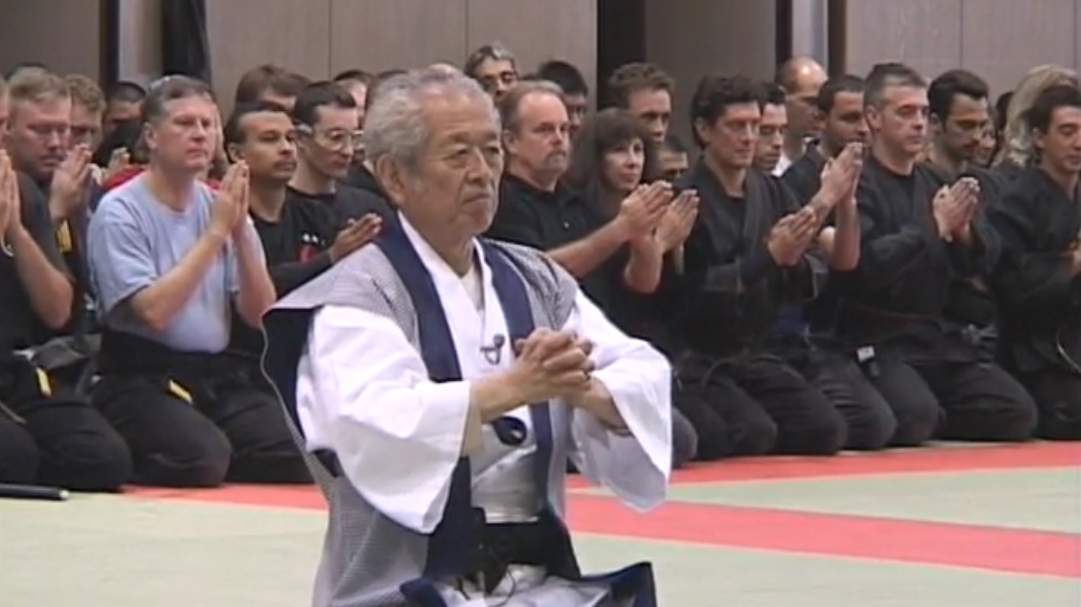
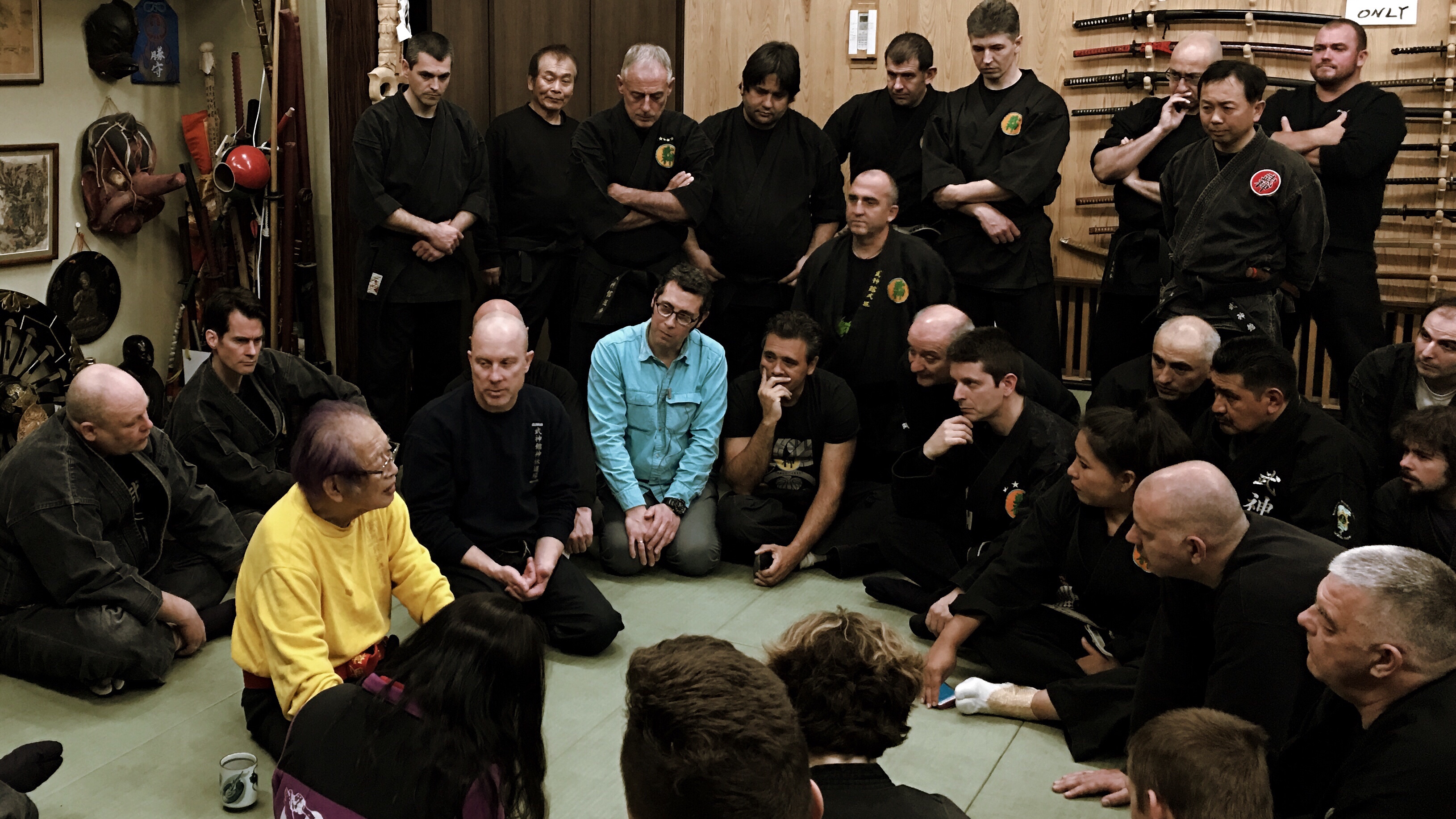
The theme in 2003 was Juppō Sesshō. Below is a summarisation by Grok of the transcripts from the 10 Hikan Densho DVD’s and Daikomyōsai DVD from this year.
The room is quiet except for the soft echo of footsteps and the occasional creak of the wooden floor as Hatsumi Sōke begins to speak. He stands near a simple drawing he has made himself, and right away he points to the center of it: a candle flame burning steadily. “This is a picture that I drew,” he says, “but in the center the candle’s fire is lit.” His voice is calm, almost gentle, but carries the weight of someone who has spent decades thinking about these things.
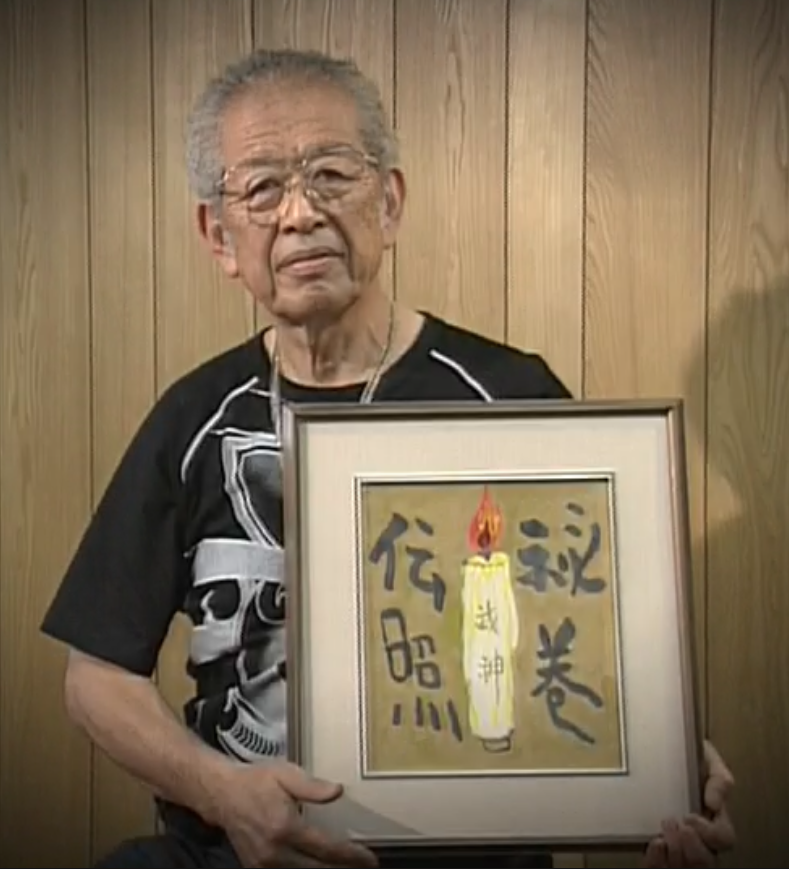
He moves into the idea of 秘伝伝照 hiden denshō (secret transmission)1. In Christianity they speak of the holy fire, he notes, but fire in general is “regarded as a symbol of something important.” Whether it is the sun’s light or the candle’s light, “all things that shine and disappear.” Yet while the flame is shining, he continues, “this is very important as a key to expressing the next life.” He pauses, then draws a connection to the kanji for “tree” 木 ki (tree), explaining that the character contains the “machine of opportunity” or “machine of season.” A true transmitter of the tradition, he says, “knows the essence of fire very well” and treats precious things with great care.
The tone shifts slightly as he describes the dual nature of fire. Far away it is warm, illuminating everything around you clearly. But get too close—“when the fire approaches, it becomes hot, you get burned, or in some cases you die.” That is why, he explains, the old saying exists: an insect clinging to a horse’s tail can travel a thousand ri, but “insects often fly straight into the flame.” He believes the two images overlap in a meaningful way.
虎擲龍拏十方折衝秘文
KOTEKI RYŌDA JUPPŌ SESSHŌBujinkan Theme 2003 Kunai, Kyoketsu Shoge, Sword and Juppō Sesshō
For those who protect tradition, he stresses, “nothing is more important than cherishing the brilliance of the fire, knowing it well, looking at it well.” This leads to what he calls 武風一貫 Bufū Ikkan (martial wind consistency), but he immediately corrects himself with a small smile in his voice: “That 武風一貫 Bufū Ikkan (martial wind consistency) is not wind. 風貌 fūbō (demeanor).” Maintaining the demeanor of a warrior consistently, he says, is “one important undertaking” for creating “a fragrant adult person” in the next generation.
January 7, 12, 14, 19 and 21’st 2003
He then announces that from this time onward he will use the phrase 秘伝伝承 hiden denshō (secret transmission). It implies something that shines and radiates. “One technique, one weapon, or basic firing… shine like light and, within that light, 心技体 Shin-Gi-Tai (mind-technique-body) emerge together.” He wants the students to see that everything is deeply connected, so they can look “more broadly and more deeply.”
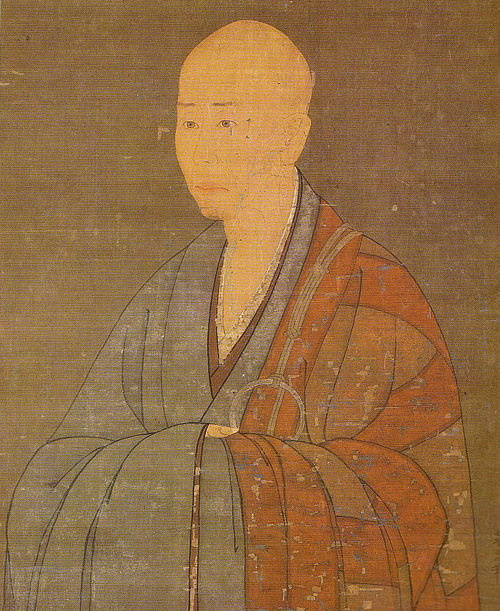
Later, after a brief exchange in another language and some music, he returns to the concept of 守破離 Shu-Ha-Ri (guard-break-separate). He mentions an old waka poem: “Both the one who strikes and the one who is struck are merely playing in a dream.”[2] He explains that in true martial tradition, “separation” does not mean actually leaving. “While protecting tradition, not separating from it, being in that place, cherishing the connection, giving eternal life force to the next generation—that is tradition.”
The session continues with short instructions and demonstrations, but the heart of his words remains that same quiet, insistent message: transmission is not just passing on techniques. It is protecting a living flame—something that gives life when handled with wisdom, and destroys when approached carelessly. The way he speaks makes it clear he has lived with that fire for a very long time.
January 24, 28, 31 and February 2’nd 2003
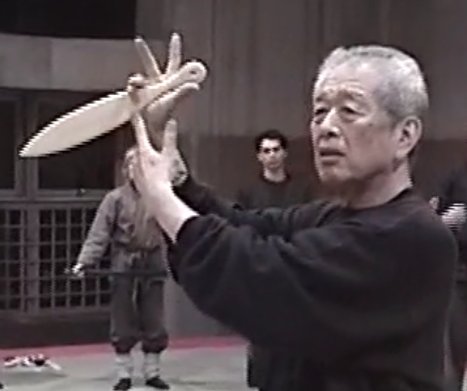
The training hall carries the familiar rhythm of focused practice—feet shifting, breath steady, the quiet clack of weapons or hands meeting in controlled exchanges. Hatsumi Sōke moves among the students, his voice calm and measured as he guides them through the day’s work. The theme this winter is clear: 十方折衝 Juppō Sesshō (ten directions collision / mutual striking from all sides), the principle of engaging an opponent from every angle, using the kunai against an unarmed attacker or someone armed with a sword.
その相手が一番弱いと思う時に攻撃する
Sono aite ga ichiban yowai to omou toki ni kōgeki suruWhen you think that the opponent is at their weakest moment, attack.
He speaks of timing with precision. “In that state,” he says, “when you think the opponent is weakest, attack.”[3] He demonstrates a subtle change in grip: “Take that key and switch it. Yes, OK—bring it back with the thumb, or bring it back with the index finger.” He pauses to make sure they understand: “Keep this in mind. Please practice this a little. With this thumb… yes, bring it back like this.”
The movement is deliberate and slow. “Because it’s budō,” he explains, “slowly match the body and do it like this.” He warns against relying only on the fingers: “Thinking to return with the finger is absolutely no good. It seems like returning with the finger, but it’s not the finger.” Instead, “in the natural way of the body, do it like this.” He draws a contrast: “It’s different from sleight of hand. Properly ride on the body. Naturally so that it comes to the body even when talking.”
柔体術が完全にできて初めて右が生きる
Jūtai-jutsu ga kanzen ni dekite hajimete migi ga ikiruOnly when jūtai-jutsu is perfected does the right side become live.
He continues correcting and encouraging. “Yes, OK. I’ll hide it with this. Slowly like this… and like this.” A student echoes the idea in English, and Hatsumi nods, stressing the whole body: “You are not using this. You are using the body. When 柔体術 jūtai-jutsu (soft body techniques) is perfected, only then does the right side come alive.” The receiving side must be fully activated to make the kunai effective against sword or empty hands.
He observes the students’ attempts. “Everyone tries to take from below,” he notes, “but practice opening like this. They come here, yes, here.” He demonstrates control: “Here you are good. The person is coming, right? Mine.” He reinforces: “Here it’s not used. The body is used. When jūtai-jutsu is complete, the right side lives.”


He touches on the deeper structure of 守破離 shu-ha-ri (guard-break-separate), a concept long valued in the arts. He quotes an old waka poem: “Both the one who strikes and the one who is struck are merely playing in a dream.” He clarifies that true separation is not abandonment: “While protecting tradition, not separating from it, being in that place, cherishing the connection, giving eternal life force to the next generation—that is tradition.”
The session remains patient and repetitive, filled with small adjustments and quiet reminders. His message stays steady: in 十方折衝 Juppō Sesshō, the kunai is not merely a tool—it is an expression of the whole body, the right timing, and the living connection between attacker and defender. The way he speaks makes it clear that every movement carries this deeper understanding.
February 4, 7, 9 and 11’th 2003

The dojo hums with focused practice—feet shifting on the tatami, breath steady, hands meeting in controlled exchanges. Hatsumi Sōke moves through the group, his voice calm and direct as he guides the students deeper into the session. The theme remains 十方折衝 Juppō Sesshō (ten directions collision), the kunai used against an unarmed opponent or someone with a sword, and today the focus sharpens on grip changes, hidden angles, and the moment of decision.
その相手が一番弱いと思う時に攻撃する
Sono aite ga ichiban yowai to omou toki ni kōgeki suruWhen you think the opponent is weakest, attack
He emphasizes timing and vulnerability. When you think the opponent is weakest, attack. He demonstrates a subtle shift: Bring it back with the thumb, or bring it back with the index finger. He insists they internalize it: Keep this in mind.
The pace is deliberate. Because it’s budō, slowly match the body and do it like this. He cautions against finger-only thinking: Thinking to return with the finger is absolutely no good. It seems like returning with the finger, but it’s not the finger. Instead, In the natural way of the body, do it like this.
柔体術が完全にできて初めて右が生きてる
Jūtai-jutsu ga kanzen ni dekite hajimete migi ga ikiteruWhen jūtai-jutsu is perfected, only then does the right side come alive.
He demonstrates hiding and control. I’ll hide it with this, slowly like this… and like this. The right side must activate fully: When jūtai-jutsu is perfected, only then does the right side come alive.
He observes patterns: Everyone tries to take from below, but practice opening like this. He stresses whole-body coverage: Cover both arms like this.


The session is direct and repetitive, filled with small corrections and encouragement. His message is clear: in Juppō Sesshō with the kunai, timing must be precise, the body must move naturally, and the right side must live through perfected jūtai-jutsu. The attack comes from the unseen angle, the grip shifts subtly, and the transmission lives in the moment of application.
February 16, 18 and 21’st 2003

The training continues with a steady, focused energy—students working in close pairs, the kunai moving in controlled arcs, the sound of breath and quiet corrections filling the air. Hatsumi Sōke guides them through the practical application of 十方折衝 Juppō Sesshō (ten directions collision), emphasizing the kunai’s versatility against unarmed opponents or those with swords.
動きは体から流れるように
Ugoki wa karada kara nagareru yō niThe movement must flow from the body.
He stresses the importance of natural redirection. “Bring it back with the thumb,” he instructs, “or bring it back with the index finger.” He urges careful practice: “Keep this in mind. Please practice this a little.” The movement must flow from the body: “Because it’s budō, slowly match the body and do it like this.” He warns against finger-only reliance: “Thinking to return with the finger is absolutely no good. It’s not the finger.” Instead, “in the natural way of the body, do it like this.”

He demonstrates control and concealment. “I’ll hide it with this. Slowly like this… and like this.” He reinforces the need for full-body integration: “When 柔体術 jūtai-jutsu (soft body techniques) is perfected, only then does the right side come alive.” The receiving side must be alive to make the kunai effective.
受け側が生きてこそ、クナイが効く
Uke-gawa ga ikite koso, kunai ga kikuThe receiving side must be alive to make the kunai effective.
He points out common tendencies: “Everyone tries to take from below, but practice opening like this.” He shows how to cover and guard: “Cover both arms like this. Learn this method of covering or guarding your hands.” A student translates: “I’m not just using any technique here. I’m just controlling them.” Hatsumi nods, emphasizing the third dimension: “So this is the third dimension.”

He returns to the idea of freedom with the weapon: “Even if it’s not drawn, you can still use it.” He stresses using space rather than force: “Don’t think of drawing this with your hand. You have to use the space to draw it.” He guides them to control without full commitment: “So you’ve got him tied up in a way that he doesn’t really understand.” A student adds: “He doesn’t understand how he’s being tied up.”

ただコントロールしているだけだ
Tada kontorōru shite iru dake daI’m just controlling them.
The session remains direct and practical, with Hatsumi correcting grips, angles, and timing. His message is clear: in Juppō Sesshō, the kunai is not about brute force or visible action. It is about natural body movement, precise timing, and controlling the opponent from unseen angles. The right side must be alive, the weapon used freely even when undrawn, and the technique must remain invisible to the opponent. The transmission lives in these subtle, integrated moments.
February 23, 25 and March 7 and 11’th 2003

The training hall resonates with the quiet intensity of repetition—students pairing off, kunai shifting in tight arcs, breath synchronized with movement. Hatsumi Sōke moves among them, his voice steady as he refines the day’s focus on 十方折衝 Juppō Sesshō (ten directions collision), exploring the kunai’s role in close control against unarmed opponents or swordsmen.
これが温身術なんだよ。十方殺生の動きね
Kore ga Onshin-jutsu nanda yo. Juppō Sesshō no ugoki neThis is Onshin-jutsu. The movement of ten directions killing/life-giving.
He stresses adaptability and the unseen. “Even if it’s not drawn, you can still use it,” he explains, showing how the kunai remains effective without full extension. He emphasizes space over force: “Don’t think of drawing this with your hand. You have to use the space to draw it.” He guides them to concealment and redirection: “So you’ve got him tied up in a way that he doesn’t really understand.” A student adds: “He doesn’t understand how he’s being tied up.”
そういうことが大事、取っても大事なのだから、精神的な
Sō iu koto ga daiji, totte mo daiji na no dakara, seishinteki naSuch things are important, extremely important, because they are spiritual
He highlights mental control and demeanor. “So that’s why I got these hints from Sensei,” a translator relays, “and after that I didn’t worry about thinking on my own as much.” Hatsumi nods, underscoring the spiritual dimension: Such things are important, extremely important, because they are spiritual. He continues: That’s why he often said everything is in the realm of the spirit.

He speaks of composure in conflict. A student recalls Takamatsu-sensei’s example: someone steps on your foot on a crowded train. Instead of reacting with anger, respond gently: “Oh, your foot happened to come on top of mine.” The aggressor “shrivels up” with shame rather than escalating. The point is non-mirroring—respond with calm, not reaction.
だから、なんでも精神の世界だってよくおっしゃってたけどね
Dakara, nan demo seishin no sekai datte yoku osshatte ta kedo neThat’s why he often said everything is in the realm of the spirit.


The session remains practical, with Hatsumi correcting grips, angles, and intent. He encourages freedom: “You can use anything.” The message stands out: in Juppō Sesshō, the kunai thrives on space, subtlety, and mental composure. The body moves naturally, the weapon is used even undrawn, and the spirit remains unshaken. Transmission is not just physical—it is a calm, spiritual presence that controls without force.
March 18 and 25’th and April 1, 8 and 11’th 2003

In this March-April 2003 training session at the Honbu Dojo, Masaaki Hatsumi Soke emphasized the profound, non-physical essence of true budo beyond mere weapon handling or technique execution. While demonstrating with tools like the kunai, kyoketsu-shoge, kodachi, and ropes, he stressed controlling 空間 Kūkan (space and air) as the core of effectiveness—making the opponent “cut the air” while rendering their movements ineffective or self-defeating. He described creating a vacuum-like draw that pulls the attacker in involuntarily, likening it to magnetic forces (N and S poles) or sucking the opponent into a trap without relying on strength, grabbing, or direct confrontation.
完 全 と 不 完 全 の 中 で 人 間 は 生 き て る
Kanzen to fukanzen no naka de ningen wa ikiteruHumans live in between perfect and not perfect.

Hatsumi highlighted living between perfection and imperfection, where humans exist, and urged practitioners to forget self-existence, erase presence in space, and operate from a state of zero or void (無 Mū). This leads to 大光明 Daikōmyō (great bright light) emerging from nothingness—like sparks from colliding hearts or objects—rooted in sincerity まごころ Magokoro, love, and true intention rather than conscious technique. He warned that over-teaching or spoon-feeding students can hinder their independent survival ability, as real understanding arises from personal feeling and repeated experience, often only grasped after being “done to.”
無 の 中 の 光 だ よ ね 。 四 季 花 見 つ う 大 光 明 だ よ ね
Mu no naka no hikari da yo ne. Shiki hana mi tsuu daikōmyō da yo neIt’s the light within nothingness. The great bright light of viewing flowers in the four seasons.

He connected arts across disciplines (painting in air, dancing in space) and referenced historical and cultural figures like Yokoyama Taikan[4] and Takamatsu Sensei to illustrate timeless principles. In combat, redirect not the weapon but the opponent’s ki or intention; evade their consciousness itself. Weapons become “friends” for playful, dexterous use—switching grips, hiding, improvising—turning everyday objects into extensions of free movement. Ultimately, survival in a borderless, high-stakes world demands this intuitive, heart-centered awareness to never lose.
ま ご こ ろ ね 。「 大 切 な も の は ま ご こ ろ 」 と か 「 愛 」 と 「 ま ご こ ろ 」、 愛 、 こ れ が 大 事
Magokoro ne. ‘Taisetsu na mono wa magokoro’ toka ‘ai’ to ‘magokoro’, ai, kore ga daiji.Sincerity/magokoro. ‘The most important thing is magokoro’ or ‘love and magokoro’—love and sincerity; these are what matter.
April 15 and 18’th and May 2, 6 and 9’th 2003

In this April-May 2003 session at the Honbu Dojo, Masaaki Hatsumi Soke continued exploring weapons like the kyoketsu-shoge (with its blade, rope/chain, and ring), ropes, chains, and related tools, shifting emphasis from overt tying or grabbing to subtle control through space (空間) and timing. He demonstrated receiving attacks by creating traps where the opponent enters involuntarily—often by presenting openings or using minimal movements to hook, redirect, or ensnare without force. Key ideas included not thinking about “tying up” or “grabbing” the opponent; instead, use wrapping, hooking, or enveloping sensations to make them self-entangle, lose balance, or become immobilized naturally.
無 理 し ち ゃ っ ち ゃ 、 も う 無 理 は 効 か な い 、 こ う い う 強 い 人 に は ね
Muri shichatcha, mō muri wa kikanai, kō iu tsuyoi hito ni wa ne.If you force it, it won’t work anymore—against truly strong people like this.

Hatsumi stressed 自然 Shizen (natural movement), avoiding haste or visible effort—let the opponent’s momentum carry them into disadvantageous positions, such as falling while “cutting” themselves or being unable to rise. Legs and footwork play crucial roles in stopping, dropping, or controlling distance without pulling weapons out prematurely. He advised covering or enveloping the opponent (like wrapping a bee so it can’t sting) to neutralize threats, even if they carry swords or other arms—preventing draws or effective use by controlling posture, space, and intent early.
相 手 に 空 間 を 持 た せ る こ と で 空 間 を 持 た せ る
Aite ni kūkan o motaseru koto de kūkan o motaseru.By giving the opponent space, you make them hold space (trapping them in it).
Advanced concepts emerged toward the end: true mastery reaches 神業 Kamiwaza (divine/god-like techniques), appearing unearthly or inexplicable because they operate from nothingness or zero effort, controlling everything without apparent action. This ties into 護身道 Goshindo (protective divine path) as an ancient way of preserving life through non-struggle. He highlighted the importance of deep feeling/sensitivity (感, kan), where multiple meanings of the kanji reflect nuanced perception—emotional, tactile, intuitive—essential for understanding beyond words or fixed forms. Practitioners must absorb these through repeated exposure and personal internalization to pass them on authentically to future generations, avoiding rigid fixation that shrinks true knowledge.

以 心 伝 心 っ て ね 。
Ishin denshin tte ne.It’s ishin denshin (transmission from heart/mind to heart/mind).
Hatsumi reiterated that over-explaining or forcing techniques backfires; real growth comes from feeling the “nothing” or void in movement, where opponents confuse themselves. Translation challenges arise because Japanese concepts like “kan” carry layered meanings hard to convey precisely, even among natives—echoing the difficulty of transmitting Takamatsu Sensei’s vast, unfixed teachings without diminishing them.
May 11, 13, 20, 23, 27 and 30’th 2003

In this May 2003 training segment at the Honbu Dojo (May 11–30), Masaaki Hatsumi Soke opened with reflections on preserving authentic budo transmission. He stressed the critical importance of value (価値) and point (ポイント)—core essences or pivotal elements—framed in yin-yang terms as foundational to true understanding. He expressed intent to personally oversee future book projects to ensure accurate representation of Takamatsu Sensei’s teachings, avoiding misinterpretations by outsiders or those who add personal spins. Hatsumi emphasized teaching only what Takamatsu Sensei imparted—nothing of his own invention, which he dismissed as worthless—because personal creations lead to failure. He urged students to catch his intended meaning precisely, treasure the pure points received, and pass them on worldwide without dilution, even if only one person truly grasps them.
俺 は い ぬ ち を か け て 、 ず っ と き て る ん だ よ
Ore wa inochi o kakete, zutto kite ru n da yo.I’ve staked my life on this and kept coming all along.

He noted that knowing too much often corrupts people (e.g., alcohol, gambling, desires), so in budo it’s better not to “know” intellectually or seek to understand everything; remain in a state of not-knowing to stay pure. Takamatsu Sensei’s vast knowledge was never rigidly fixed, allowing it to remain expansive—fixing or structuring it shrinks its depth. Practice must flow from this unfixed, heart-to-heart transmission (以心伝心), not ego or personal development.
自 分 の も の を 教 え た ら ね 、 失 敗 す る
Jibun no mono o oshieta ra ne, shippai suru.If you teach your own things, you’ll fail.

Demonstrations focused on kunai (and possibly related tools), emphasizing center (中心) in space—finding one’s own spatial center and the opponent’s, using the body to create shields (盾) or cushions in space without force or contact. Techniques involved subtle hooking, redirecting, floating the opponent (e.g., lifting waist/hips without grabbing), enveloping attacks, and controlling from multiple angles/directions. He illustrated making “shields” in space to block intrusion (linking to ninjutsu’s 頓 character as shield-like protection), covering all sides naturally, and using posture changes, butt/end of the weapon, or minimal movements to neutralize strikes or chokes. Emphasis was on feeling/sensation (感覚) over visible technique—opponents self-entangle or lose balance when drawn in, with the practitioner remaining soft, centered, and unattached.
知 っ て か ら 人 間 っ て い う の は 悪 く な る ん だ よ
Shitte kara ningen tte iu no wa waruku naru n da yo.Once people know [too much], they become bad/corrupted.
Hatsumi highlighted that true control arises when the self becomes the center of space, enabling effortless, omnidirectional coverage—like a perpetual shield—where attacks can’t penetrate effectively.
August 8, 9 and 10’th (Taikai New Jersey) 2003
Day 1 (August 8’th 2003)

In the August 8, 2003 Bujinkan Taikai held in New Jersey—the final international Taikai Hatsumi Soke ever conducted outside Japan—he began with heartfelt reflections on his very first trip to New York twenty-one years earlier, followed by a visit to Dayton, Ohio, also in August. He marveled at how quickly time passes, yet noted that many familiar faces in the room still looked unchanged, which brought him joy. He assured everyone that the seminar would be especially enjoyable and emphasized that this gathering was not an ending or conclusion of any kind. Instead, he asked participants to view it always as a beginning—every moment in budo is a fresh start.
こ の 大 会 が エ ン ド で は あ り ま せ ん 。 い つ も ス タ ー ト だ と 思 っ て く だ さ い 。
Kono taikai ga endo de wa arimasen. Itsumo sutāto da to omotte kudasai.This Taikai is not the end. Please think of it always as a start.
For the theme of the event, Hatsumi chose to explore the practical relationship between weapons and jūtaijutsu (soft, pliable body techniques) in real combat situations. He made this the central focus for the training, wanting everyone to consider how these two elements interact when actual fighting becomes necessary. He also brought an early, unfinished draft of a rare video featuring Takamatsu Sensei, which included footage of his own younger self from forty or fifty years before. He joked that seeing his appearance back then would reassure the group about the natural process of aging and give hope that progress in budo continues over decades.
The demonstrations covered a broad range of techniques and weapons, with strong emphasis on adaptability, seamless transitions, and realistic application rather than fixed kata. Hatsumi worked with partners through entries, joint locks, throws, ground control, and armed responses, frequently shifting between unarmed taijutsu and weapons such as kunai, shuriken, sword, and others. He gave clear guidance on timing, distance, and integration, showing how to flow naturally without preconceived patterns. In one sequence involving shuriken, he presented certain applications only as historical examples and explicitly warned everyone not to copy them in practice, stressing that they were dangerous and not to be attempted.
実 際 に 戦 う た め に は 武 器 と 柔 体 術 が ど ん な 関 係 に あ る か 。
Jissai ni tatakau tame ni wa buki to jūtaijutsu ga donna kankei ni aru ka.For actual combat, what relationship exists between weapons and jūtaijutsu (soft body techniques)?
A student (Darron) demonstrated how a single technique could branch into many variations depending on the opponent’s reaction. Hatsumi praised the depth already visible in the group’s training and encouraged continued exploration of such flexibility—one movement leading to countless changes. He highlighted the importance of total commitment and creative fighting, linking it to the unpredictability needed in real encounters.
真 似 し な い で く だ さ い ね 。 危 険 な こ と だ か ら ね 。
Mane shinaide kudasai ne. Kiken na koto dakara ne.Please don’t copy this. It’s dangerous.

The seminar concluded on a warm, relaxed note. Hatsumi announced that the evening would feature a barbecue party and urged everyone to step outside, breathe plenty of fresh sea air, listen to good music, and enjoy delicious food to recharge for the next day’s training. He expressed genuine appreciation for the group’s effort, calling it very good training, and closed with a casual farewell until tomorrow.
The overall atmosphere was one of continuity, shared joy, and practical depth. Hatsumi reinforced that budo is an ongoing journey of connection—between body techniques and weapons, between past and present, and between effort and natural flow—with no final endpoint, only perpetual beginnings.
Day 2 (August 9’th 2003)
In the second day of the August 2003 Bujinkan Taikai in New Jersey, Masaaki Hatsumi Soke continued the training with a calm and practical focus, building directly on the previous day’s exploration of the relationship between weapons and jūtaijutsu in real combat. He started the morning gently, guiding everyone to loosen the body through subtle, almost invisible movements—beginning with the fingers and toes while walking, so that preparation happens naturally and without obvious warm-up routines that might be visible in films or staged fights. He stressed that true readiness should occur in hidden ways, keeping the practitioner inconspicuous and fluid from the very beginning.
見 え な い と こ ろ で も っ て 、 準 備 運 動 や る と こ も と っ て も 大 事 だ か ら 。
Mienai tokoro de motte, junbi undō yaru tokoro mo totemo daiji dakara.It’s extremely important to do warm-up movements in places that can’t be seen.
Demonstrations emphasized controlling distance, direction, and balance with minimal visible effort. Hatsumi showed how small leg movements could completely change an attack’s outcome—for example, evading a chest grab by shifting the lower body, then entering from below to disrupt the opponent’s posture. He explained that after creating the initial shift with the legs, the practitioner could simply press forward and walk, letting the opponent’s own momentum cause them to fall naturally. The key principle was transforming the surrounding space into an uncontrollable advantage for the attacker, turning everything open and empty without using force or tension.
決 め て た ら 死 ん じ ゃ う ん だ よ 。
Kimete tara shinjau n da yo.If you decide in advance, you’ll die.
Later in the session, the training shifted to deeper themes of adaptability and the danger of fixed intention. Hatsumi demonstrated how a single technique could flow into countless variations depending on the opponent’s reaction, without any predetermined outcome. He repeatedly warned that deciding in advance what would happen leads to failure or death in real combat—if you fix your mind on one path, you’ll die. Nothing should be decided or set ahead of time; the practitioner must remain completely undecided and responsive, allowing creative and unpredictable fighting to arise naturally. He described this non-fixation as a very important theme.

決 め て な い こ と が で き な く ち ゃ い け な い 。
Kimete nai koto ga dekinakucha ikenai.You have to be able to do things that are not decided/fixed.
The day included moments of humor and group encouragement, with Hatsumi praising the quality of the training and reminding everyone that consistent practice is the only essential thing—there is nothing to do except train. He announced that fifth-dan tests would begin soon and wished good luck to those preparing for them. The session closed on a warm, appreciative note, reinforcing the shared joy of training and the ongoing nature of budo as a lifelong process of refinement through feeling, flow, and letting go of rigid expectations.
Day 3 (August 10’th 2003)
In the third and final day of the August 2003 Bujinkan Taikai in New Jersey, Masaaki Hatsumi Soke wrapped up the event with a blend of light-hearted reflection, advanced technique, and emphasis on real-world adaptability. He opened by joking about the previous night’s video of Takamatsu Sensei and his own younger self, noting that everyone must feel reassured seeing how he moved back then—then playfully added that the current participants were moving even better than he had at that age. He kept the tone relaxed while continuing to demonstrate practical applications.
あ の 当 時 の 僕 よ り も う ね 、 皆 さ ん の ほ う が 、 お 上 手 で す 。
Ano tōji no boku yori mo u ne, minasan no hō ga, o jōzu desu.Compared with how I was moving back then, everyone here is moving much better.
The training focused on close-in control, finger techniques (yubi kadaki), and the seamless integration of body movement with potential weapons. Hatsumi showed how to respond when grabbed—using the body to lift and secure the opponent’s fingers or wrist without excessive pain, then transitioning into drops or throws. He stressed freedom in execution: you can crush fingers, change grips, or control subtly without clutching tightly. The principle was to make techniques effective even without a firm hold, relying on precise positioning and body alignment rather than brute strength.

He repeatedly highlighted that forms are never rigid—there are countless variations depending on the situation. In real combat, nothing is fixed or predetermined; deciding in advance leads to failure. He demonstrated how to exploit pockets or clothing (grabbing for money, weapons like shuriken, or other items), turning the opponent’s possessions against them or simply checking resources before acting. He humorously noted that if there’s no money, there’s no need to continue—then quipped that he wouldn’t bother with certain people for that reason. These points underscored that budo is far more than sport: it involves practical awareness, improvisation, and survival intelligence beyond kata.
掴 ん で い な く て も 効 い て る 。
Tsukande inakute mo kiiteru.It’s effective even if you’re not clutching tightly.
The seminar concluded with group photos and preparations for the evening banquet and party. Hatsumi expressed appreciation for the training, encouraged everyone to enjoy the night, and reinforced the ongoing nature of budo—no final endings, only continual growth through feeling, adaptability, and joy in practice. The atmosphere remained warm and communal, with laughter throughout and a sense of shared progress after three intensive days.
July 11 and 29’th and September 9 and 30’th 2003

In this July–September 2003 session at the Honbu Dojo, Masaaki Hatsumi Soke focused on foundational principles of evasion, attraction, and integration in combat, using demonstrations that incorporated body movement, weapons (e.g., swords, kunai), and kicks. He described extending an “antenna” in all directions (四方八方 Shihō Happō) to sense and envelop attacks without grabbing or direct avoidance—instead, wrapping or attaching to the opponent’s action naturally, becoming an extension of their movement. This creates a magnetic-like attraction in space (空間の磁気 Kūkan no Jikite), not Newtonian gravity but an invisible pull akin to fields or forces drawing things together.
こ っ ち に ね 、 こ れ 四 方 八 方 に こ れ ア ン テ ナ 張 る ん だ よ
Kocchi ni ne, kore shihō happō ni kore antena haru n da yo.Extend antennas in all four directions and eight ways here.

Hatsumi referenced 天地陰陽の構え (tenchi in’yō no kamae, heaven-earth yin-yang posture) as a key stance for this, linking it to concepts like 玉壺流電 (possibly alluding to flowing electric/current-like energy in a vessel/jade pot style) and preparatory elements such as silent “koto” (琴なき) to initiate techniques. He emphasized riding the natural rhythm (リズム Rizumu) of the encounter—matching the opponent’s timing like a player syncing perfectly with music—rather than imposing one’s own or letting it run off-beat. Techniques must flow on the opponent’s momentum 十方殺生の実 Juppō Sesshō no Jitsu (rhythm, referenced in context of Kotoki Rodan or similar), avoiding forced or rushed execution that creates openings (隙 Suki).
空 間 の 磁 気 て い う ん や な
Kūkan no jiki te iu n ya na.It’s called the magnetism of space.

Practical points included drawing weapons fluidly in the moment of contact (short or long swords), maintaining no gaps even when handling tools, covering vulnerabilities, and using subtle entries to control or counter (e.g., inserting under kicks, redirecting to expose necks or joints). He stressed feeling the space push or pull, with the practitioner often appearing passive while the opponent self-attaches or collapses into disadvantage. Demonstrations showed soft, enveloping body use to neutralize strikes, create unseen threats (e.g., hidden weapon paths leading to elbows or stabs), and achieve omnidirectional coverage without tension.
天 地 陰 陽 の 構 え っ て 言 う
Tenchi in’yō no kamae tte iu.It’s called the heaven-earth yin-yang posture.

Hatsumi connected these to broader martial traditions, including influences from Chinese kenpo (where Takamatsu Sensei excelled internationally), and urged practitioners to internalize the “unseen” or intuitive feel over visible form—making opponents feel an inexplicable pressure or attachment leading to imbalance.
October 21’st, November 18’th and December 16’th 2003

In this October–December 2003 training period at the Honbu Dojo, Masaaki Hatsumi Soke delved into subtle, intention-based control and deception in combat, using weapons like shuriken (hand-thrown blades), swords, and bare hands. Demonstrations emphasized gentle yet psychologically penetrating techniques—such as feinting toward the eyes without actual contact, creating a strong feeling or intention that registers in the opponent’s mind while the physical action remains soft or absent. He explained this as psychological rather than purely physical: the opponent senses the threat in their eyes or perception, but no real harm occurs because the intent is held back.
刺 そ う と 思 っ て 力 を 入 れ る と ね 、 相 手 に 意 識 が わ か っ ち ゃ う
Sasō to omotte chikara o ireru to ne, aite ni ishiki ga wakacchau.If you think ‘stab’ and put power into it, the opponent senses your intention.

Key principles included avoiding overt intention when using tools like shuriken—don’t think “stab” or “throw hard”, as conscious effort telegraphs the move and allows escape. Instead, release casually or naturally, letting the weapon flow effortlessly like water or a floating sensation, making it invisible or unpredictable. This ties into 水見刃 Mizukiri-ha (“water-cutting blade” or blinding card analogy): point and release lightly rather than force a launch, achieving better accuracy and subtlety.
常 識 の 反 対 な 。 だ か ら 相 手 ハ マ る
Jōshiki no hantai na. Dakara aite hamaru.It’s the opposite of common sense. That’s why the opponent falls into the trap.

Hatsumi highlighted flowing with the opponent’s rhythm and expectations, then doing the opposite of common sense—e.g., in 一の構え Ichi no kamae (“one posture” or straight-line stance), a foundational Togakure-ryū kenjutsu position, appearing short/vulnerable draws the attacker in, only to exploit the opening with redirection, distance control, or counters that avoid injury. He called his approach ずるい Zurui “sneaky” or “unfair” in a positive sense—breaking rigid rules to survive without harm, akin to 嘘も方便 Usomo Hōben (“a lie is also expedient/means to an end”)[5], a Buddhist concept where skillful means (even deception) serve higher compassion or protection when motivated correctly. Life and real combat demand this adaptive “cleverness” rather than rigid adherence to “by-the-book” norms.
ず る い の 、 と っ て も 俺 の や り 方 は ね 。 ず る い か ら 、 あ の 、 怪 我 し な い の は
(Zurui no, totemo ore no yarikata wa ne. Zurui kara, ano, kega shinai no wa.It’s sneaky—my way is really sneaky. Because it’s sneaky, there’s no injury.
He stressed readiness from any angle (e.g., one-two-three strikes flowing into kicks or throws), maintaining natural distance, and embodying a yūgen-like subtlety (“幽玄の世界 Yūgen no Sekai—the profound, mysterious, elegant realm of depth and nuance, evoking Ono no Komachi’s poetic aesthetic applied to budo) [6]. The practitioner floats weightlessly, aligns naturally with the opponent’s flow without forcing, and wins by not clashing directly—creating openings through misdirection and psychological pressure.
Daikomyōsai (December 2-4’th 2003) Budo of Zero

In the 2003 Daikomyosai seminar—titled “Budo of Zero” and loosely connected to the year’s overarching Juppō Sesshō theme—Masaaki Hatsumi Soke structured the event as a three-day gathering. Each day followed the same rhythm: a two-hour morning training session, a break for lunch, and then another two-hour afternoon session. This consistent daily format allowed participants to immerse deeply in the material without the pressure of a single long marathon day. Hatsumi used the occasion to reflect on more than twenty-one years of traveling abroad to teach Bujinkan material, noting that he had now deliberately ended those international journeys. The decision marked a turning point: he wanted the group to witness, through his own example, what dedicated training looks like when the focus returns entirely to the home dojo and external obligations fall away. Rather than announce a single overarching theme for the entire seminar, he stated plainly that there would be no fixed theme. The absence of a rigid framework gave the days an open, exploratory quality while still allowing every demonstration and correction to circle back repeatedly to the same essential principles.
相 手 を 多 め に 利 用 す る こ と ね 。 人 間 を ね 。 そ れ を 神 通 の 実 と い う ね 。
Aite o ōme ni riyō suru koto ne. Ningen o ne. Sore o jintsū no mi to iu ne.Use the opponent a lot more. Use human beings. That is called the reality of divine penetration

Across the six training hours spread over the three days, Hatsumi guided live demonstrations that wove together unarmed techniques, joint manipulations, redirects, and the practical use of hidden or improvised weapons. He returned again and again to the concept of “zero” as the true center of budo. This zero is not mere absence or passivity; it is the precise point where personal agenda, conscious effort, and fixed intention completely dissolve. He explained that authentic technique arises only when the practitioner stops trying to force outcomes or manufacture movements. Any attempt to “make” something happen—through tension, over-planning, or visible exertion—immediately breaks the flow and reveals the flaw. Instead, the defender must allow the opponent’s own actions, momentum, and energy to become the primary driver of the encounter. Hatsumi described this as using the opponent far more than oneself, turning the attacker into the active agent of their own neutralization. He called this principle “the reality of divine penetration[7],” a term that captures how the defender can let the incoming force pass through harmlessly or redirect itself without the need for direct opposition or overpowering strength.
相 手 に 隠 れ る こ と も 覚 え る ね 。
Aite ni kakureru koto mo oboeru ne.Learn to hide within the opponent as well.

A recurring instruction was to learn how to “hide within the opponent.” Rather than positioning oneself as a separate, opposing entity, the practitioner should blend so seamlessly with the attacker’s movement and perception that no clear target remains. In practice this looked like subtle entries that placed the defender alongside or behind the incoming line of force, causing the opponent to strike at empty space or to overcommit and unbalance themselves. Hatsumi extended this idea to scenarios with multiple attackers, emphasizing that the principle never changes regardless of numbers. Whether facing one person or many, the same zero-point awareness applies: the defender does not need to recalculate or shift strategy because the dynamic at the core remains identical. He encouraged everyone to recognize that literally everything in the environment—opponents’ bodies, the surrounding space, incidental objects—can be utilized if the mind stays unattached and responsive. This mindset of total availability is what allows the practitioner to adapt instantaneously without preconceived patterns.
Hatsumi also placed strong emphasis on moving beyond reliance on sight and hearing. He repeatedly told the group to stop depending on visual tracking of the opponent’s limbs or listening for audible cues such as footsteps or breathing shifts. Instead, true awareness comes through sensation distributed across the entire body and spirit. He demonstrated this by softening his own posture, relaxing the gaze, and responding to incoming pressure through subtle shifts in balance and contact rather than deliberate blocks or counters. In one sequence he showed how a light touch at the right moment could redirect a powerful grab or strike without any muscular tightening. Techniques such as omote gyaku appeared frequently as entry points, but he stressed that the real learning lay in controlling direction and posture in multiple ways afterward, always without force. The goal was to internalize the feeling so completely that action flowed naturally from the whole being rather than from isolated parts or premeditated plans.
視 覚 、 聴 覚 に 頼 ら な い で ね 。 体 全 体 を 感 で も っ て ね 。
Shikaku, chōkaku ni tayoranai de ne. Karada zentai o kan de motte ne.Don’t rely on your eyes or ears. Rely on the whole body through feeling.

Weapons, especially small concealed ones like shuriken, featured prominently in the demonstrations. Hatsumi pointed out that these tools become truly effective only when the user understands exactly how to employ them in the instant of need, without hesitation or overthinking. The shinobi approach, he explained, involves treating a wide range of implements as natural extensions of movement rather than as specialized or sacred objects. He urged the group to practice inserting control at the precise moment the opponent advances, using the attacker’s own limbs or forward drive to create exploitable openings. In several instances he verbally highlighted dangerous anatomical targets—the base of the skull, the lower spine—then immediately clarified that the purpose of naming them was to build awareness of vulnerability without ever intending actual harm. The caution itself became part of the lesson: by acknowledging risk while maintaining restraint, the practitioner develops both precision and compassion.
Throughout the three days Hatsumi maintained a tone of gentle humor and encouragement. At one point he remarked that the training had gone very well because no one had died, a wry observation that highlighted his consistent priority on intelligent, non-destructive practice that achieves decisive control without unnecessary escalation. He praised the participants for their effort, noting that technical skill was already well established among those present. From this foundation, he said, the deeper work now lay in cultivating the internal feeling of budo itself. Everyone should continue practicing in a manner that places sensation above external form, allowing the body and spirit to respond as a single, unified whole. He closed the seminar by reinforcing the value of this quality of awareness: cherish the direct experience that emerges when sight and hearing are set aside, and let the ongoing practice become the true guide.
危 な い っ て 言 っ て お く 。
Abunai tte itte oku.I’m saying it’s dangerous (so aim there, but don’t actually do it).

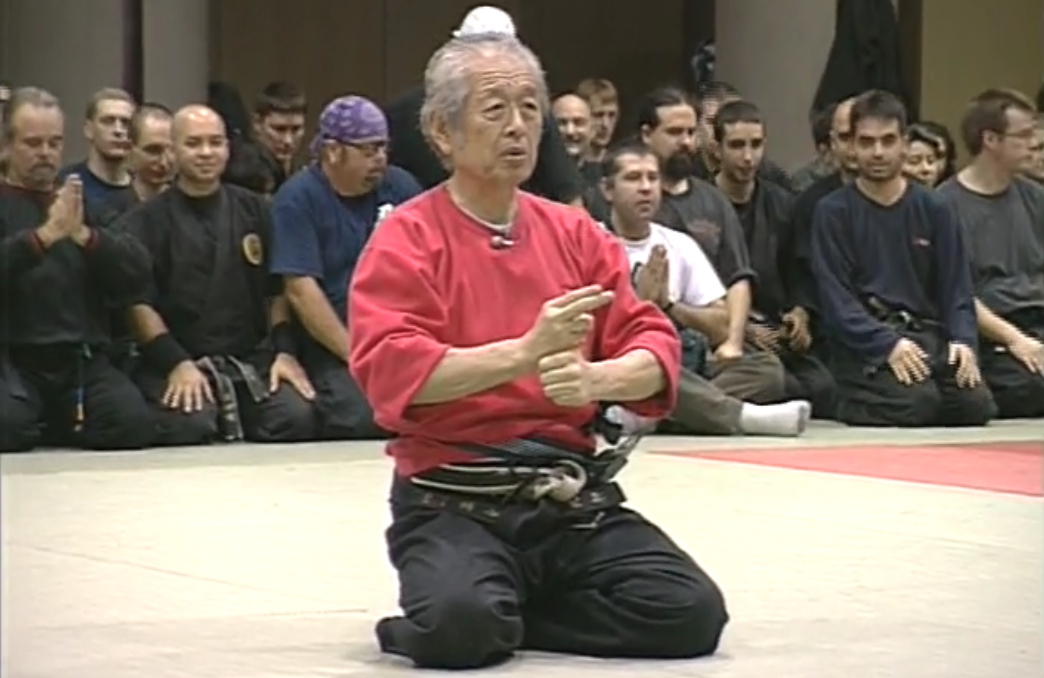
The Daikomyosai carried a sense of both culmination and quiet transition. Hatsumi described the event as especially meaningful because it marked the final taikai in its previous format. The lack of a prescribed theme allowed each day’s sessions to breathe freely while still converging on the same unchanging truths: erase personal intention, conceal oneself within the opponent’s flow, utilize every element without force, depend on whole-body feeling rather than fragmented senses, and hold zero as the unchanging center regardless of external conditions. Through repeated live examples—joint entries, weapon handling, multi-attacker drills, and subtle redirects—Hatsumi illustrated that genuine budo is never about stockpiling techniques or dominating through strength. It is about removing the separation between self and other until movement arises spontaneously, effortlessly, and inevitably from the still point of zero. The three days of training closed with a clear message: keep returning to this depth of feeling, value the intuitive connection that arises beyond ordinary perception, and allow the practice to continue teaching itself.
い い 稽 古 を し て く だ さ い ま し た 、 皆 さ ん ね 。
Ii keiko o shite kudasaimashita, minasan ne.You all did really good training.
Footnotes
- I also hear him say “Hiden Denshō”, but the painting says 秘巻伝照 Hikan Denshō, the same as the DVD series (28 volumes from trainings in 2003-2006), The secret scrolls are transmitted in such a way that they shine forth / become illuminated in the practitioner. ↩︎
- 打つ人も 打たれる人も もろともに ただ一時の 夢の戯れ
Utsu hito mo / utaruru hito mo / morotomo ni / tada hitotoki no / yume no tawamure
“Both the one who strikes / and the one who is struck / together / are merely / a momentary play in a dream.”
The poem Hatsumi Sōke is quoting is a well-known waka (Japanese poem) attributed to the Rinzai Zen monk Muso Kokushi (夢窓国師, 1275–1351), also known as Muso Soseki. It is often cited in Zen and martial arts contexts to illustrate impermanence (mujō) and non-duality.
↩︎ - This is a classic Hatsumi teaching on 機の法 ki no hō (the law of opportunity) or 機を見る ki o miru (seeing the opportunity). In Juppō Sesshō it emphasizes not attacking mechanically or predictably, but waiting for the precise instant when the opponent’s balance, intent, or structure is momentarily broken — then striking decisively. It’s about reading the “weak point in time” rather than just a physical weak point. ↩︎
- 横山大観 Yokoyama Taikan; born Sakai Hidemaro, November 2, 1868 – February 26, 1958) was one of Japan’s most influential and celebrated painters of the modern era. He was a leading figure in the Nihonga movement (traditional Japanese-style painting), which sought to revitalize and innovate upon classical techniques while incorporating some Western influences. ↩︎
- A Japanese proverb literally meaning “a lie is also an expedient means” or “even a lie can be a skillful method.” It originates from Buddhist teachings, particularly the concept of 方便 (hōben), which translates the Sanskrit “upāya” (means/method to approach/attain truth). In Buddhism (e.g., the Lotus Sutra’s “three carts, burning house” parable), a compassionate “white lie” or skillful device is used by the Buddha/wise teacher to guide beings toward enlightenment or safety when direct truth would not be understood or accepted. ↩︎
- 幽玄 (yūgen) is a profound aesthetic ideal in Japanese traditional arts, especially Noh theater (能楽), refined by Zeami Motokiyo (世阿弥) in the 14th–15th centuries. It describes a subtle, mysterious, elegant beauty that is deep, elusive, and hard to express in words — evoking a sense of profound depth, quiet grace, and hidden resonance beneath the surface. “Yū” suggests something faint/obscure/distant, and “gen” implies profound/mysterious/dark. ↩︎
- “the reality of divine penetration”: そ れ を 神 通 の 実 と い う ね (Sore o jintsū no mi to iu ne). “神通” (jintsū) refers to supernatural or divine powers/penetration (a Buddhist term for miraculous abilities or insight that penetrates reality). “の実” (no mi) means “the fruit” or “the reality/essence” of something. So the English interpreter rendered it naturally as “the reality of divine penetration,” which captures the idea of penetrating/using the opponent’s own force or existence as if with divine/supernatural efficacy. ↩︎